

TL;DR:
- Learning with native speakers provides authentic conversation experience that boosts fluency and cultural understanding.
- Consistent interactions improve quick word retrieval, pronunciation, and listening at natural speed, fostering confidence.
Learning with native speakers is the most direct route to genuine conversational fluency in European Spanish. Native speaker interaction, known formally as communicative immersion, places you inside authentic language use rather than a simplified version of it. You hear real rhythm, real speed, and real cultural meaning from the first conversation. For English-speaking adults living in Spain, this is not a luxury. It is the difference between surviving and truly belonging. James Spanish School is built on exactly this principle.
Why learn with native speakers: the case for communicative immersion
The core problem with textbook learning is the gap between knowing a word and retrieving it under pressure. Conversational practice with native speakers enables rapid word retrieval under 0.5 seconds, which is essential for spontaneous speech. That half-second threshold is where fluency lives. Miss it, and the conversation moves on without you.
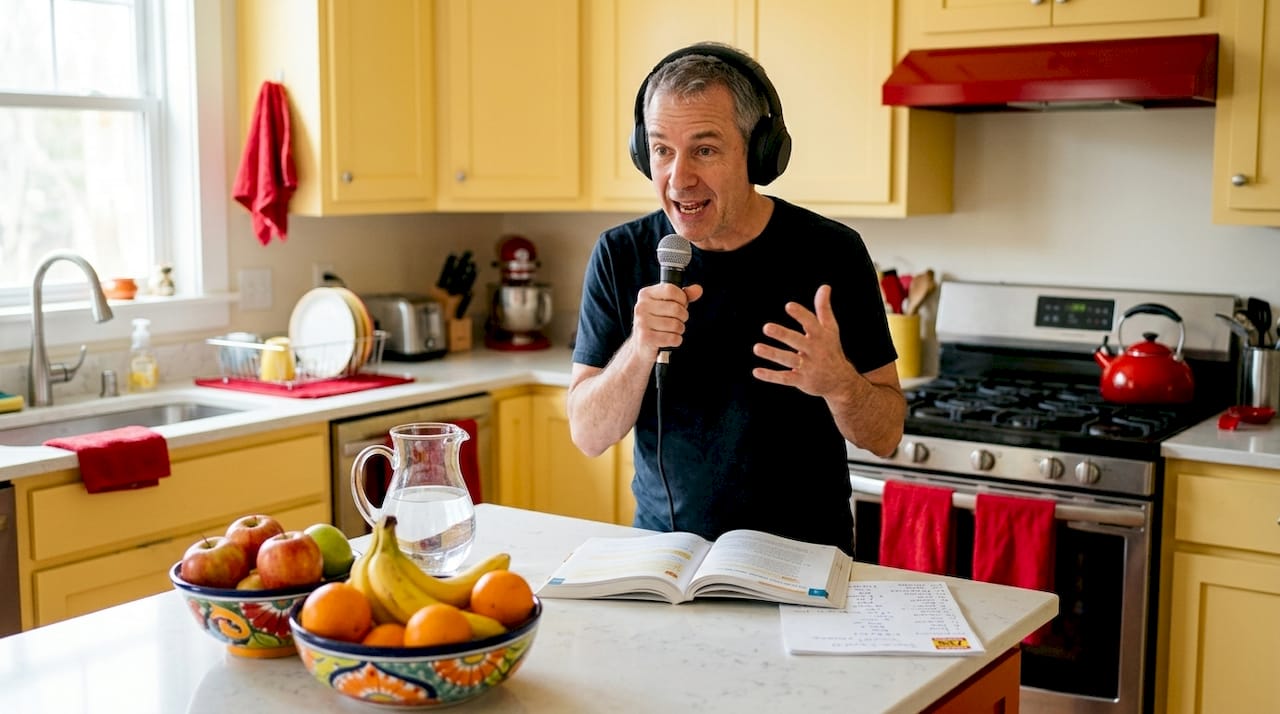
Passive vocabulary is the words you recognise when you read them. Active vocabulary is the words you can produce instantly when someone is waiting for your reply. Most learners accumulate enormous passive vocabularies through apps, audio courses, and grammar books. The problem is that passive knowledge does not automatically become active use. Only real conversation forces that conversion.
Native speaker interaction does three things that self-study cannot replicate:
- It creates genuine time pressure, which trains your brain to retrieve words faster.
- It exposes you to natural sentence rhythm, not the slowed-down, over-enunciated speech of teaching recordings.
- It gives you immediate feedback on whether your message landed, which is the fastest correction loop available.
Pro Tip: After each conversation with a native speaker, write down two or three words you struggled to retrieve. Practise those words aloud the following morning. This converts the gap you felt in real time into a targeted drilling session.
Fluency in spoken language demands practice that imitates real conversation unpredictability and pressure. Native interactions uniquely enable this because they cannot be paused, rewound, or simplified on demand.
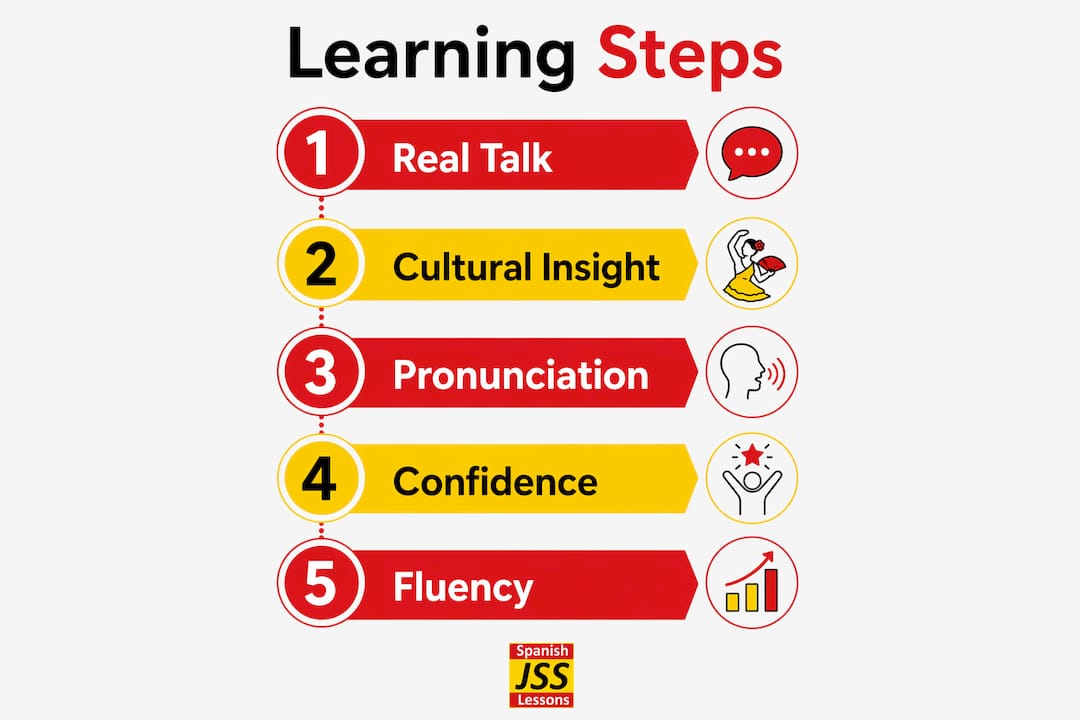
What cultural and emotional benefits come from learning with native speakers?
Language is not a code. It is a lived experience shaped by history, humour, and social habit. When you learn European Spanish from a native speaker in Spain, you absorb things no grammar book records. You learn that “ahora” can mean now, soon, or later depending on the speaker’s tone. You learn that interrupting a conversation is not rude but a sign of engagement. You learn the particular warmth of a Spanish greeting between neighbours.
Learning with native speakers builds deeper cultural connections and practical language empathy, increasing motivation in ways that structured study rarely achieves. This matters because motivation is the single biggest predictor of long-term learning success for adult learners. When you feel a genuine connection to the people whose language you are learning, you persist through the difficult stages.
“Learning a language from a native speaker transforms it from a checklist of grammar rules into a lived experience. You stop translating and start feeling the language, which is when real fluency begins.”
Understanding Spanish cultural habits also protects you from conversational mistakes that have nothing to do with grammar. Saying the wrong thing at the wrong moment, even with perfect verb conjugation, can close a conversation down. Cultural knowledge keeps it open. For expats in Spain, this is practical knowledge with daily consequences, from interactions with tradesmen and shop staff to conversations with health workers and local officials.
How do native speakers improve pronunciation and listening confidence?
Pronunciation and listening are the two skills most adult learners underestimate. Reading Spanish is manageable. Listening to a native speaker at full speed is a different challenge entirely. Native speakers use contractions, reductions, and word blending at normal speed, and beginners benefit most by training their brain with natural speech rather than slowed audio. Slowed audio creates a false sense of competence that collapses the moment a real conversation begins.
The practical steps for building pronunciation and listening confidence through native interaction are clear:
- Prioritise discomfort early. The first few conversations with a native speaker feel fast and confusing. That discomfort is the learning. Lean into it rather than retreating to slower resources.
- Ask for micro-corrections. Instant micro-corrections from native speakers prevent the fossilisation of mistakes and enhance pronunciation faster than solitary study. Ask your conversation partner to flag mispronunciations in the moment.
- Focus on connected speech. Spanish words blend together in natural speech. Train your ear to hear “¿Cómo estás?” as a single sound unit, not four separate words.
- Repeat phrases aloud immediately. When a native speaker uses an expression you have not heard before, repeat it back straight away. This builds muscle memory before the phrase fades.
Pro Tip: Record a short voice message in Spanish and send it to a native speaker for feedback. Audio messages remove the real-time pressure while still giving you authentic pronunciation correction. James Spanish School’s pronunciation mastery guide covers the specific sounds that trip up English speakers most.
Low-pressure, consistent interactions with native speakers help reduce anxiety and build muscle memory for spoken grammar. Consistency matters more than intensity. Short, regular conversations outperform occasional marathon sessions every time.
Do native and non-native teachers play different roles in learning Spanish?
The most effective language learners use both native and non-native instructors, and for good reason. Native speaker interaction develops natural fluency and communicative exposure best, while non-native instructors excel in grammar explanations. These are genuinely different skills, and expecting one type of teacher to deliver both equally is unrealistic.
Non-native teachers often have a structural advantage when explaining grammar to adult learners. They have been through the same learning process and can articulate why a rule works in plain English. Non-native teachers provide better grammar explanations and often use the learner’s first language for clarity, which reduces confusion at the early stages. This is precisely the approach James Spanish School takes, using plain English to explain Spanish structure without unnecessary grammatical terminology.
The role of native and non-native instructors in language education is well documented across multiple languages. The pattern holds consistently: native speakers build fluency and communicative confidence, while structured instruction builds accuracy.
| Learning goal | Best supported by |
|---|---|
| Spontaneous conversation | Native speaker interaction |
| Grammar accuracy | Structured instruction with plain-English explanation |
| Pronunciation and listening | Native speaker exposure at natural speed |
| Vocabulary retention | Spaced repetition systems combined with real use |
| Cultural understanding | Native speaker relationship and lived context |
A balanced programme combining both approaches produces the best outcomes. Research supports combined use of native speakers for fluency and structured instruction for grammar, with the combination yielding optimal language acquisition results. For adults in Spain, this means pairing daily conversations with neighbours, shopkeepers, or colleagues with a structured course that explains what you are hearing and why it works the way it does.
Motivation and confidence increase through social commitment and cultural exchange in native speaker conversations. The social bond itself becomes a reason to keep going, which is why language exchange relationships often outlast formal courses. Practical tips for speaking Spanish with locals can help you build those relationships from the very first week.
James Spanish School: structured learning built for real conversations
James Spanish School was built specifically for English-speaking adults living in Spain who want to hold real conversations, not pass academic exams. The 100-lesson course, created by dual-native speaker James Bretherton, combines sentence-building with dedicated ear-tuning lessons that train you to follow Spanish at natural speed.
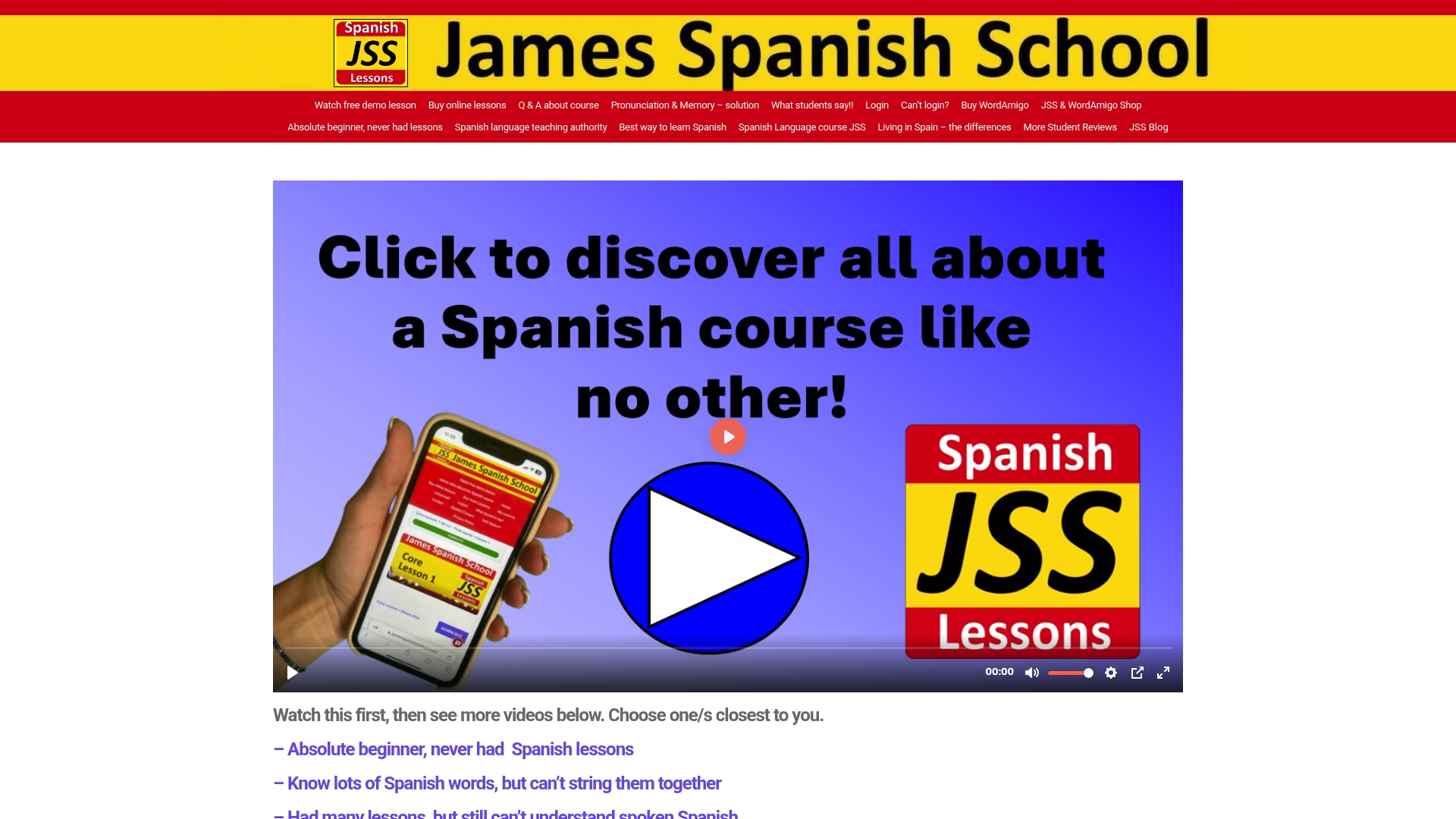
The WordAmigo system uses AI-powered spaced repetition to permanently embed vocabulary and pronunciation, solving the two problems that most adult learners hit first: words that will not stay in memory and mispronunciation that native speakers struggle to understand. James also shares genuine insider knowledge of Spanish culture, from everyday social habits to the unwritten rules of local life. The full course is available on demand at James Spanish School, with no expiry date and no pressure.
FAQ
Why is learning with native speakers better than using apps alone?
Apps build passive vocabulary but cannot replicate real-time conversational pressure. Native speaker interaction forces active word retrieval and gives instant feedback that apps cannot provide.
How quickly does speaking with native speakers improve fluency?
Consistent, low-pressure native speaker conversations build muscle memory for spoken grammar and reduce hesitation noticeably within weeks. The key is regularity rather than long, infrequent sessions.
Do I need to be at an advanced level before speaking with native speakers?
No. Beginners benefit from native speaker exposure early because it trains the ear to process natural speech tempo from the start, preventing the false confidence that slowed audio creates.
What is the difference between a native speaker and a native language tutor?
A native speaker provides authentic conversational exposure and cultural context. A native language tutor combines that authenticity with structured feedback, making them particularly effective for pronunciation and fluency development.
How does cultural knowledge help with learning European Spanish?
Cultural understanding prevents conversational errors that grammar cannot fix. Knowing when to speak, how to respond, and what a phrase really signals in context makes conversations flow naturally and builds genuine connection with Spanish speakers.
Key takeaways
Learning with native speakers accelerates European Spanish fluency by combining real-time conversational pressure, authentic pronunciation exposure, and cultural understanding that structured study alone cannot deliver.
| Point | Details |
|---|---|
| Active vocabulary requires real pressure | Native conversations force word retrieval under 0.5 seconds, converting passive knowledge into active speech. |
| Cultural immersion drives motivation | Understanding Spanish habits and humour builds emotional investment, which sustains learning through difficult stages. |
| Pronunciation needs natural speed | Training with native speech tempo prevents the false competence that slowed audio recordings create. |
| Combined approaches work best | Native speakers build fluency; structured plain-English instruction builds grammar accuracy. Use both. |
| Consistency beats intensity | Short, regular native speaker interactions build muscle memory faster than occasional long sessions. |